

Ginger-Like Thai Spice Remedy in Ayurvedic Medicine Secrets
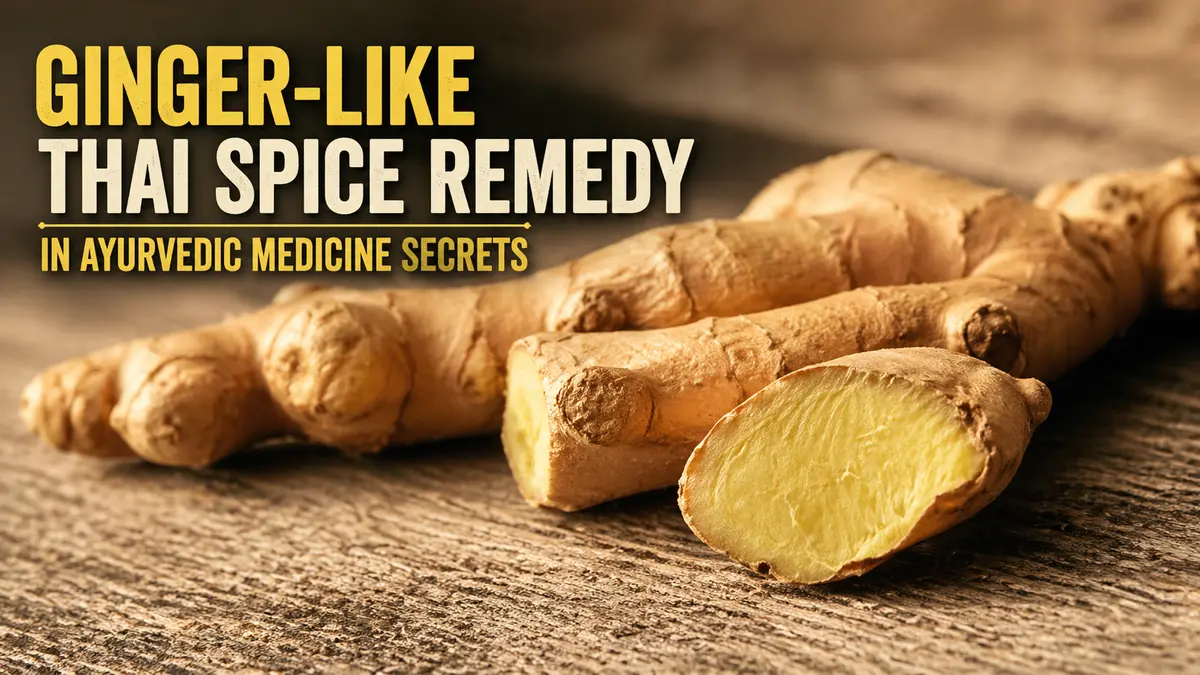
Have you ever walked through a bustling local market, picked up a knobby, tough root thinking it was ordinary ginger, only to slice it open and realize the aroma was entirely different? You were likely holding galangal.
When cold weather hits, or when your stomach feels heavy and uncomfortable after a large meal, reaching for natural herbs feels right. We want something grounded in history, something that has stood the test of time across generations. Many of us automatically brew a cup of standard ginger tea. Yet, a specific marvel exists that bridges the culinary traditions of Southeast Asia with ancient Indian healing practices.
Today, we are going to look closely at the ginger-like Thai spice remedy in Ayurvedic medicine. This powerful rhizome, known technically as Alpinia galanga or greater galangal, forms the backbone of famous Thai soups like Tom Kha Gai. At the exact same time, it holds a revered place in ancient Indian healing texts under the name Kulanjan.
By understanding how to use this unique root, you can add a highly effective tool to your wellness routine. Let us look at what makes this plant so special, how it interacts with the body, and practical ways to bring it into your own kitchen.
Also Read: WellHealthOrganic.com: Best Wellness Tips for Better Health.
What Exactly Is This Ginger-Like Thai Spice Remedy in Ayurvedic Medicine?
To appreciate this root, we have to look past its rugged exterior. From the outside, galangal looks exactly like ginger. It has the same segmented, finger-like structure and a similar beige skin. Because of this, people frequently confuse the two.
The Botanical Family Ties
Both standard ginger and galangal belong to the Zingiberaceae family. They are close cousins, growing in similar tropical environments. However, their internal characteristics vary widely.
When you try to cut into galangal, you will immediately notice the difference. It is incredibly dense and woody. You cannot simply grate it with a standard cheese grater the way you would with standard ginger. The skin is typically lighter, sometimes carrying a pale yellow or reddish hue depending on the exact variety.
Flavor and Aroma Profile
The true distinction lies in the smell and taste. While ginger is warm, sweet, and spicy, this ginger-like Thai spice remedy in Ayurvedic medicine carries a sharp, peppery, almost pine-like flavor. Some describe it as having notes of citrus, mustard, and camphor. This cooling, aromatic camphor quality gives it a very specific medicinal edge that standard ginger lacks.
When practitioners use the ginger-like Thai spice remedy in Ayurvedic medicine, they rely on these sharp, penetrating qualities to clear blockages in the body and stimulate internal warmth.
Also Read: Beauty Tips – Well Health Organic.com for Fresh Skin Care.
The Ancient Connection: Ayurveda Meets Southeast Asia
We often categorize herbs by their geographic popularity. We associate galangal almost exclusively with Thai curries and Southeast Asian broths. Yet, trade routes have connected Asia for thousands of years. Merchants carried spices back and forth, allowing healers in India to study and incorporate these foreign plants into their own traditional systems.
Balancing the Doshas
Ayurveda operates on the principle of three doshas, or body energies: Vata, Pitta, and Kapha. Health relies on keeping these three energies in balance.
According to traditional texts, the ginger-like Thai spice remedy in Ayurvedic medicine possesses heating and drying qualities. Because of its intense warmth, it is highly effective at pacifying Vata (which is cold and dry) and Kapha (which is cold and damp).
If you wake up feeling sluggish, congested, and heavy—classic signs of excess Kapha—this root helps cut through that stagnation. Its pungent taste kindles the Agni, or digestive fire. For individuals with a fiery Pitta constitution, practitioners advise using this root sparingly, as its intense heat can cause irritation or excessive warmth in the body.
A Staple Across Borders
In Thailand, the focus remains heavily on the culinary experience, using the root to flavor coconut milk and seafood. In India, while sometimes used in food, the primary application of Kulanjan leans toward medicinal powders, decoctions, and throat lozenges. The ginger-like Thai spice remedy in Ayurvedic medicine represents a perfect marriage of food and pharmacy.
Also Read: WellHealthOrganic Fitness: Powerful Tips for Better Health.
Remarkable Health Benefits of the Ginger-Like Thai Spice Remedy in Ayurvedic Medicine
When an ingredient survives centuries of consistent use across multiple cultures, science usually catches up to validate those ancient practices. Modern research into galangal reveals a complex profile of phytochemicals, including galangin, flavonoids, and essential oils.
Here are the specific ways this root supports physical well-being.
Soothing Digestion and Easing the Stomach
Digestive discomfort interrupts daily life. Whether it manifests as bloating, excessive gas, or sharp stomach cramps, poor digestion drains your energy.
The ginger-like Thai spice remedy in Ayurvedic medicine acts as a powerful carminative. This means it helps prevent the formation of gas in the gastrointestinal tract and facilitates the expulsion of gas that has already formed. By stimulating the production of digestive juices and bile, it helps the stomach break down heavy, rich foods.
If you feel overly full or slightly nauseous after eating, a small amount of this root can calm the spasms in the intestinal tract. It brings warmth to the stomach, encouraging smooth and efficient digestion.
Calming Inflammation Naturally
Joint pain and muscle aches affect millions of people, often triggered by systemic inflammation. Chronic inflammation serves as the root cause for numerous physical complaints.
Galangal contains a high concentration of galangin, a specific flavonol known for its anti-inflammatory properties. Traditional healers have crushed this root into pastes and applied them directly to swollen joints for centuries. When consumed internally, the ginger-like Thai spice remedy in Ayurvedic medicine helps inhibit the pathways in the body that produce inflammatory chemicals.
For people dealing with age-related joint wear and tear, or those recovering from physical exertion, adding this spice to daily meals acts as a gentle, consistent way to keep swelling under control.
Supporting the Immune System
We live in a world filled with environmental stressors and seasonal bugs. Keeping the immune system strong requires a proactive approach.
The essential oils found within this rhizome possess strong antibacterial and antifungal properties. Traditional medicine frequently uses it to clear up minor infections and support the body’s natural defenses. By creating an inhospitable environment for unwanted microbes, the ginger-like Thai spice remedy in Ayurvedic medicine gives your immune system a helpful advantage during cold and flu season.
Respiratory Relief
Chest congestion and persistent coughs are incredibly frustrating. You feel trapped under a heavy weight in your own lungs.
In Ayurvedic practice, Kulanjan shines brightest as a respiratory aid. Its expectorant qualities help loosen thick, stubborn mucus lodged in the chest and throat. The camphor-like aroma opens up the nasal passages almost immediately. Chewing on a small, dried piece of the root is a traditional method for soothing a sore throat, reducing hoarseness, and calming an irritating cough.
Also Read: Well Health Tips in Hindi WellHealthOrganic: Amazing Tips.
Bringing the Spice Into Your Kitchen and Daily Routine
Reading about the benefits of a plant is only half the journey; the real value comes from actually using it. Integrating the ginger-like Thai spice remedy in Ayurvedic medicine into your daily life requires a few specific techniques, given its tough texture and strong flavor.
Brewing a Warming Tea
One of the most direct ways to experience the healing properties is through a simple water decoction.
-
Gather three to four thin slices of fresh galangal root.
-
Place the slices in a small saucepan with two cups of water.
-
Bring the water to a rolling boil, then lower the heat and let it simmer for about 15 minutes.
-
Because the root is so dense, it takes longer to release its oils than ordinary ginger.
-
Strain the liquid into a mug.
The resulting tea will have a sharp, earthy, and highly aromatic profile. If the taste is too intense, add a teaspoon of raw honey and a squeeze of fresh lime. This tea works wonders for a sluggish digestive system or the early stages of a cold.
Transforming Your Soups and Broths
You do not have to cook complex Southeast Asian dishes to use this ingredient. You can easily slip the ginger-like Thai spice remedy in Ayurvedic medicine into your regular meals.
Whenever you are making a basic chicken soup, vegetable broth, or bone broth, toss a few large, smashed chunks of the root into the pot. Let it simmer along with your onions, carrots, and celery. The galangal will infuse the broth with a subtle, bright warmth. Remember to fish out the chunks before serving, as they remain too tough to chew comfortably.
Making a Topical Poultice
If you are dealing with a specific localized ache, such as a sore knee or a stiff lower back, you can try a traditional external application.
-
Grind dried galangal powder with a small amount of warm water or sesame oil to form a thick paste.
-
Apply this paste directly to the affected joint.
-
Wrap the area lightly with a cloth and leave it on for 20 to 30 minutes.
The heating nature of the spice penetrates the skin, increasing local blood circulation and bringing comforting warmth to stiff tissues.
Also Read: Skin Care in Hindi WellHealthOrganic: Best Natural Glow Tips.
Buying, Storing, and Preparing the Root
Sourcing this specific rhizome has become much easier in recent years, but you still need to know what to look for.
Fresh vs. Dried vs. Powder
You will typically find the ginger-like Thai spice remedy in Ayurvedic medicine in three distinct forms:
-
Fresh Root: Available at local Asian supermarkets or specialty grocers. Look for firm, unblemished skin. It should feel heavy for its size. If it looks shriveled or has soft spots, leave it behind. Fresh root offers the most vibrant flavor and the highest concentration of volatile oils.
-
Dried Slices: Many herbal shops sell dried, woody slices. These are excellent for teas and long-simmering broths. They have a very long shelf life and retain most of their medicinal qualities.
-
Powder: Ground galangal is highly convenient for mixing into pastes, smoothies, or spice rubs. However, powders lose their potency faster than whole roots. Ensure you buy from a reputable source that seals their spices well.
Storage Tips
To keep the fresh root viable, wrap it loosely in a paper towel, place it inside a plastic bag, and keep it in the crisper drawer of your refrigerator. It should last for two to three weeks.
For longer storage, the ginger-like Thai spice remedy in Ayurvedic medicine freezes exceptionally well. Wash the root, dry it thoroughly, and cut it into thin, usable slices. Place the slices in a freezer-safe container. You can drop these frozen slices directly into boiling water or hot soup without needing to thaw them first.
Also Read: Healthy Life WellHealthOrganic: Smart Ways to Feel Better.
Potential Side Effects and Precautions
Natural herbs wield real power, which means we must respect them and use them responsibly. While generally safe for culinary use, consuming therapeutic amounts requires a bit of awareness.
Digestive Sensitivity
Because it kindles the digestive fire, taking too much on an empty stomach might cause a burning sensation, heartburn, or acid reflux in sensitive individuals. Always start with a small amount to see how your body reacts.
Who Should Consult a Doctor First
If you take prescribed medications, especially for blood sugar regulation or blood thinning, talk to a healthcare provider before taking large medicinal doses of this root. The active compounds can interact with these medications.
Pregnant and nursing mothers should stick to normal food-flavoring amounts. In traditional practices, large medicinal doses of heating herbs are often restricted during pregnancy to avoid overly stimulating the body.
Also Read: WellHealthOrganic Home Remedies Tag for Best Instant Relief.
Everyday Wellness with Ancient Roots
Finding relief for common physical complaints does not always require looking forward; sometimes, the best answers come from looking back. The natural world holds an abundance of resources waiting for us to use them correctly.
The ginger-like Thai spice remedy in Ayurvedic medicine perfectly illustrates how food and medicine overlap. It is not just a flavor enhancer for a bowl of curry; it is a serious medicinal tool designed to support digestion, clear the lungs, and calm painful inflammation.
Next time you are at the market and you see that tough, pale root sitting next to the standard ginger, pick it up. Bring it home. Boil it into a tea or drop it into your soup pot. By making this simple addition, you connect directly with centuries of healing wisdom, bringing a powerful, natural remedy into your everyday life.
For more useful articles, visit my website: WellHealthOrganic.